
Why We Built a Restaurant Game Around Real Chinese Cuisine
Chinese Restaurant is a culinary simulation game where players explore China's eight major cuisines, develop recipes, and build a restaurant empire. Learn how the game approaches food culture with respect and authenticity.

Meta description: Chinese Restaurant is a culinary simulation game where players explore China’s eight major cuisines, develop recipes, and build a restaurant empire. Learn how the game approaches food culture with respect and authenticity.
Focus keywords: chinese restaurant game, culinary simulation, cooking management game, chinese cuisine game, restaurant tycoon browser
Slug: chinese-restaurant-culinary-simulation-game
Featured image: [Upload image: chinese-restaurant-promo.png to WordPress Media Library]

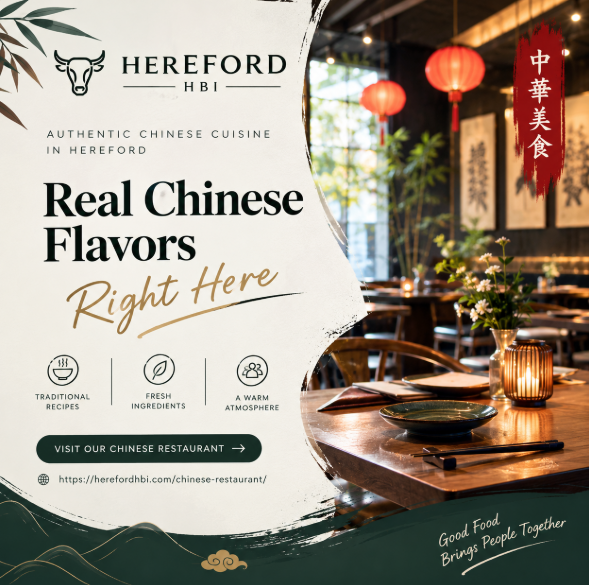
The game blends traditional Chinese design elements with approachable gameplay, treating the cuisine as a living culture rather than a backdrop.
The Question We Asked Before Writing a Single Line of Code
When we decided to build a restaurant simulation game, the easy choice would have been a generic diner or a Western-style bistro. Those settings come with built-in familiarity for a global audience, and they avoid the risk of misrepresenting a culture that is not your own.
But we kept coming back to the same problem: most cooking games treat food as abstract icons. A burger is a bun and a patty. A pizza is dough and cheese. There is no sense that the food comes from somewhere, that generations of people refined these techniques, that geography and climate shaped what ends up on the plate.
Chinese cuisine, with its eight major regional traditions — Sichuan, Cantonese, Shandong, Jiangsu, Fujian, Hunan, Anhui, and Zhejiang — offered a structure that was already built around depth and variety. Each region has distinct ingredients, cooking methods, and flavor profiles. That was not just a setting. It was a design framework.
The question was not whether to make the game. It was how to make it without reducing a complex culinary tradition to a collection of stereotypes.
What the Game Actually Is
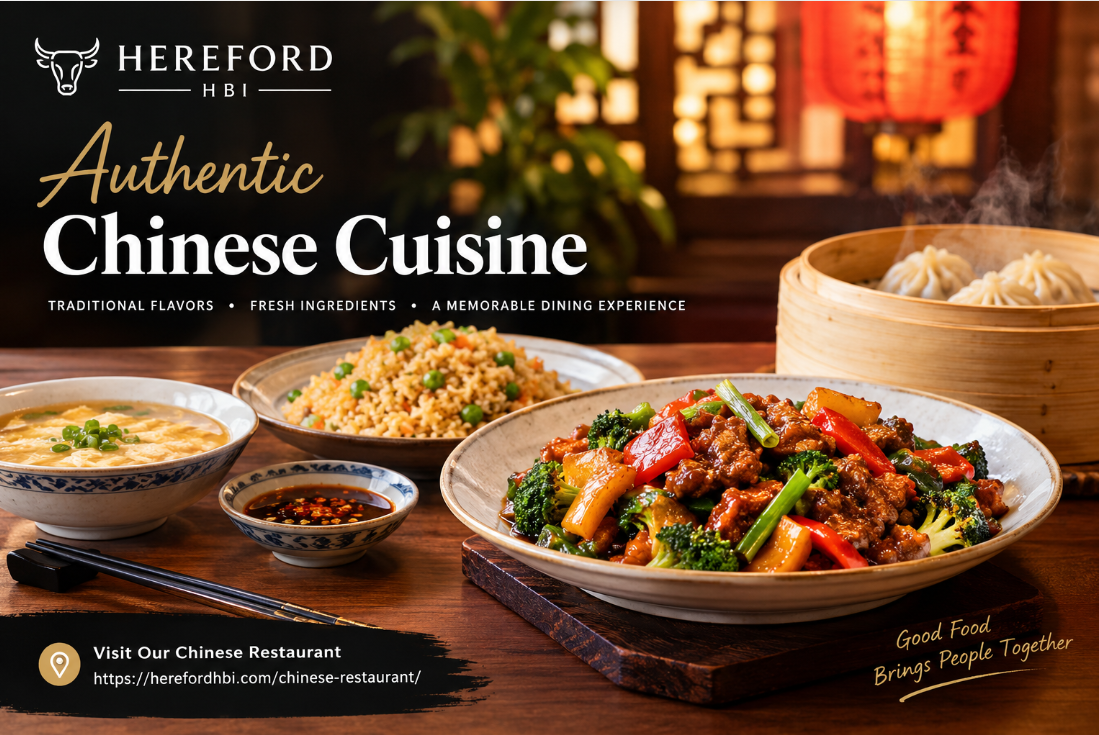
Chinese Restaurant is a browser-based culinary simulation where you start with a small storefront and gradually build it into a multi-location chain. The core loop is straightforward: develop dishes, serve customers, earn revenue, reinvest in better ingredients and decor, expand.
But the progression is tied to cuisine knowledge. You do not unlock a “better stir-fry” by spending coins. You unlock it by learning about the regional traditions that produce different styles of stir-frying — high-heat wok hei from Cantonese cooking versus the slower, sauce-heavy approach of Jiangsu.

Dishes in the game are based on actual regional recipes, not generic Westernized approximations.
The mechanics that shape the experience:
- Dish development: Each recipe belongs to one of the eight major cuisines. You research ingredients, balance flavor profiles, and refine the cooking process. A well-developed Sichuan mapo tofu requires different decisions than a Cantonese dim sum set.
- Customer preferences: Patrons arrive with specific tastes. Some want the numbing heat of Sichuan peppercorn. Others want the subtle sweetness of Jiangsu braising. Matching the right dish to the right customer earns loyalty and higher ratings.
- Chef recruitment: Chefs specialize in specific cuisines. A Sichuan-trained chef will produce better spicy dishes but may struggle with delicate Cantonese steaming. Building a balanced kitchen team is part of the strategy.
- Ingredient sourcing: The game includes a lottery system for rare ingredients, which maps to the real-world reality that certain produce, spices, and proteins are seasonal or regional. You cannot simply buy top-tier Sichuan peppercorns from a generic market.
- Restaurant expansion: New locations require understanding local tastes. A menu that works in one region may need adjustment for another.
How We Approached Cultural Representation
This was the part of development that took the longest. We knew that treating Chinese cuisine as a monolith — “Asian food” with a single flag — would be lazy and inaccurate. We also knew that leaning too hard on visual clichés — dragons, pagodas, neon signs — would feel superficial.
What we focused on instead:
The eight cuisines as distinct systems. The game does not present “Chinese food.” It presents Sichuan, Cantonese, Shandong, Jiangsu, Fujian, Hunan, Anhui, and Zhejiang as separate traditions with different ingredient priorities, cooking temperatures, and plating philosophies. A player who masters the game understands that “Chinese cuisine” is a container, not a category.
Real dishes, not invented ones. The recipes in the game are based on actual dishes. You will recognize kung pao chicken, but you will also encounter dishes that do not have English names in most Western restaurants — liang ban huang gua, dong po rou, buddha jumps over the wall. The game treats these as equally valid, equally worth learning.
Technique over aesthetics. The visual design draws from traditional Chinese architecture and decor, but the educational emphasis is on cooking methods. Wok hei, red braising, cold tossing, double-boiling — these are presented as skills to master, not buzzwords to collect.
No exotic framing. The game does not present Chinese cuisine as “foreign” or “mysterious.” It presents it as a culinary tradition with the same depth and regional variation as French or Italian cooking. The tone is informational, not voyeuristic.
The Gameplay Loop: Simple to Learn, Difficult to Master
A session of Chinese Restaurant typically runs between five and fifteen minutes. You check your current menu, review customer feedback, decide which dishes to research or upgrade, handle any staff issues, and plan your next expansion.
Early game: You run a single location with a limited menu. The challenge is learning which dishes appeal to which customers and managing your ingredient budget. Mistakes are forgiving — a bad dish review teaches you something about flavor balance.
Mid game: You are managing multiple locations, each with different local preferences. Your kitchen team has grown, and you are juggling chef specializations against customer demand. The lottery system introduces rare ingredients that can elevate a dish from good to exceptional.
Late game: You are running a chain with locations in multiple regions. The challenge shifts from individual dish quality to brand consistency — how do you maintain authenticity while adapting to local markets?
How It Compares to Other Restaurant Sims
| Game | Core focus | Cultural depth | Session length | Platform |
| Chinese Restaurant | Regional cuisine mastery | High — eight distinct traditions | 5-15 minutes | Browser |
| Overcooked | Cooperative kitchen chaos | Low — generic dishes | 5-10 minutes | Console, PC |
| Cooking Fever | Speed-based service | Low — globalized menu | 2-5 minutes | Mobile |
| Restaurant Empire | Business management | Medium — Western cuisines | 20-60 minutes | PC |
| Good Pizza, Great Pizza | Single-dish specialization | Medium — Italian-American | 5-10 minutes | Mobile, PC |
Chinese Restaurant occupies a specific space: more culturally detailed than most mobile cooking games, but more accessible than hardcore business sims. The browser format keeps the barrier to entry low, while the cuisine depth gives it a longer learning curve.
What We Learned From Early Players
During testing, we watched two patterns emerge.
First: Players who came in knowing nothing about Chinese cuisine treated the game as an accidental education. They started clicking randomly, then began to notice patterns — “Sichuan dishes always have this numbing effect,” “Cantonese dishes seem to score higher on presentation.” By the mid-game, they were making informed decisions about regional pairings without realizing they had absorbed the information.
Second: Players with prior knowledge of Chinese food — including Chinese players — appreciated the regional accuracy. One tester noted that the game got Jiangsu braising right, specifically the balance between sweet and savory that Western adaptations usually flatten into pure sweetness.
Both patterns told us the same thing: respect the source material, and players will meet you there.
Where the Game Is Headed
The current build includes the full eight-cuisine system, chef recruitment and training, the ingredient lottery, and multi-location expansion. Future updates are focused on two areas: seasonal ingredients that rotate based on real-world harvest cycles, and collaborative events where players contribute to a shared regional cookbook.
The core philosophy — that food is culture, and culture deserves accuracy — is not changing.
Have you played a game that taught you something unexpected about food? Drop a comment — we are always looking for examples of games that get cuisine right.
Play Chinese Restaurant in your browser at herefordhbi.com/chinese-restaurant/.


Contact Us
Newsletter
Join our community for exclusive updates, tips, and offers—subscribe today!